
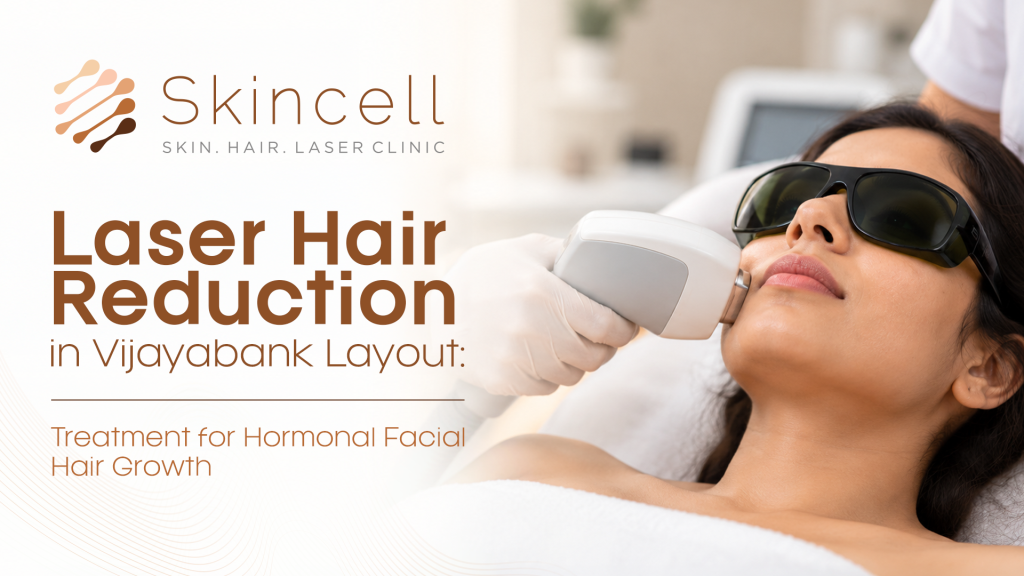
Unwanted facial hair can be frustrating, especially when it keeps returning after threading, waxing, or shaving. For many women, excessive hair growth on the chin, upper lip, cheeks, or jawline may be linked to hormonal changes or conditions such as polycystic ovary syndrome (PCOS). Although facial hair is a normal part of human biology, sudden or excessive growth can sometimes indicate an underlying health concern.
At our clinic, we believe that understanding the cause of facial hair growth is an important first step towards choosing the right treatment. Laser Hair Reduction is an option for people who want to reduce unwanted hair and spend less time on frequent hair removal. However, the results depend on individual skin type, hair characteristics, and hormonal health.
What Causes Hormonal Facial Hair Growth?
Facial hair growth is influenced by genetics, hormones, age, and certain medical conditions. Some people naturally have more visible facial hair, while others experience an increase because of hormonal changes.
Common causes include:
- PCOS: Polycystic ovary syndrome can increase androgen activity and cause thicker hair growth on the chin, upper lip, chest, or abdomen.
- Hormonal changes: Changes during different stages of life can affect hair growth patterns.
- Genetics: Family history and inherited characteristics can influence facial hair thickness.
- Other medical conditions: Certain hormonal disorders may contribute to excessive hair growth.
- Medications: Some medicines can affect hair growth in certain individuals.
Excessive coarse hair growth in women in areas such as the chin and upper lip is often called hirsutism. If facial hair suddenly increases or appears alongside irregular periods, severe acne, or scalp hair thinning, we recommend consulting a qualified doctor. Identifying the underlying cause can help guide treatment.
How Does Laser Hair Reduction Work?
Laser hair reduction uses concentrated light energy to target the pigment in hair follicles. The energy produces heat that damages the follicle and reduces its ability to grow hair.
Because hair grows in different cycles, a single session cannot treat every hair effectively. Multiple sessions are usually needed to achieve noticeable, longer-lasting hair reduction.
During a consultation for laser hair removal in Vijayabank Layout, a qualified professional should assess your skin tone, hair colour, hair thickness, medical history, and treatment goals. This helps determine whether laser treatment is suitable and which settings may be appropriate.
Laser hair reduction generally works best on coarse, dark hair. Fine, white, grey, or very light-coloured hair may respond poorly because it contains less pigment for the laser to target.
Can Laser Hair Reduction Treat Hormonal Facial Hair?
Laser hair reduction can help reduce unwanted facial hair associated with hormonal conditions, including PCOS. It can be particularly useful for coarse, dark hair around the chin, upper lip, cheeks, and jawline.
However, we should understand the difference between managing hair growth and treating its cause. Laser treatment targets hair follicles, but it does not correct hormonal imbalances or cure PCOS.
When hormones continue to stimulate hair follicles, new hair may develop even after a course of treatment. Some people may need additional sessions or maintenance treatments to manage regrowth.
For this reason, a combined approach may be helpful. A dermatologist can assess the skin and discuss laser hair reduction, while a qualified doctor can evaluate possible hormonal causes and recommend further investigations or medical treatment when needed.
What Happens During a Laser Hair Reduction Session?
Understanding the treatment process can help you feel more comfortable before your first appointment.
- Initial consultation
We begin with an assessment of your facial hair concerns, medical history, skin type, and expectations. If your hair growth suggests a hormonal condition, medical evaluation may also be recommended.
- Skin and hair assessment
The professional evaluates the thickness and colour of your hair and determines whether the proposed laser treatment is appropriate for your skin.
- Preparation
You may be asked to shave the treatment area according to the clinic’s instructions. Waxing, threading, and plucking are generally avoided for a recommended period because they remove the hair needed for laser targeting.
- Laser treatment
Protective eyewear is provided, and the laser is applied to the selected area. You may feel brief warmth or a snapping sensation during treatment. Cooling measures can help improve comfort.
- Aftercare
Mild redness or swelling may occur temporarily. Following the recommended skincare and sun-protection instructions helps reduce irritation and supports recovery.
Benefits of Laser Hair Reduction for Facial Hair
For people who regularly remove unwanted facial hair, laser treatment may offer several benefits.
- Longer-lasting hair reduction: Hair may grow back more slowly and become finer after multiple sessions.
- Less frequent threading and waxing: Many people find that they need fewer routine hair removal appointments.
- Potentially fewer ingrown hairs: Reducing repeated hair removal may help some people who experience ingrown hairs.
- Treatment for selected facial areas: The upper lip, chin, and jawline can be assessed for treatment.
- A personalised approach: Treatment can be planned according to individual skin and hair characteristics.
Results vary from person to person. We should not describe laser treatment as guaranteed permanent hair removal. It is more accurate to explain it as long-term hair reduction, with maintenance sometimes required.
Laser Hair Reduction vs Threading Waxing and Shaving
Choosing a suitable facial hair removal method depends on your skin sensitivity, hair growth pattern, budget, and long-term goals.
| Feature | Laser Hair Reduction | Threading | Waxing | Shaving |
| How it works | Targets hair follicles with laser energy | Removes hair from the root | Pulls hair from the root | Cuts hair at the skin surface |
| Results | Long-term reduction after multiple sessions | Temporary smoothness | Temporary smoothness | Temporary smoothness |
| Maintenance | May require repeat and maintenance sessions | Frequent appointments | Repeat every few weeks, depending on growth | Often frequent |
| Best suited for | Suitable dark hair after assessment | Small facial areas | Selected facial areas if skin tolerates it | Quick, convenient hair removal |
| Possible concerns | Redness, burns, or pigmentation changes | Redness and irritation | Irritation, burns, or skin lifting | Razor bumps and irritation |
| Hormonal causes treated | No | No | No | No |
For people with PCOS-related facial hair, laser treatment may reduce existing coarse hair, but ongoing hormonal stimulation can cause regrowth. Threading, waxing, and shaving remain reasonable options for many people who prefer not to undergo laser treatment.
How Many Sessions Are Needed for Facial Hair Reduction?
The number of sessions depends on hair thickness, growth cycles, skin characteristics, the treatment area, and hormonal influences.
Several sessions are usually required because the laser is most effective when hair is in a suitable growth phase. Facial hair linked to hormonal conditions may need more sessions than expected, and maintenance treatments may be necessary.
We recommend following an individual treatment plan rather than relying on a fixed number of sessions advertised for everyone. Your dermatologist or qualified laser professional can review your progress and adjust the plan when needed.
Is Laser Hair Reduction Safe for Indian Skin?
Laser hair reduction can be performed on Indian skin tones, but the choice of equipment and settings is important. Skin with more melanin may have a higher risk of burns or temporary or lasting pigmentation changes if the wrong settings are used.
A qualified professional should assess your skin, select suitable equipment, and explain the possible risks. A patch test may be recommended before treating a larger area.
Possible side effects include temporary redness, swelling, sensitivity, and changes in skin colour. Burns, blistering, scarring, and paradoxical hair growth are less common but important risks to discuss.
Before treatment, tell the professional about your medicines, recent tanning, skin conditions, and skincare products. Follow advice about sun exposure, shaving, and products that may irritate the skin. Seek medical advice if you experience severe pain, blistering, or unusual skin changes after treatment.
For teenagers aged 15–17, suitability should be assessed individually by a qualified dermatologist, with a parent or guardian involved as appropriate.
How to Care for Your Skin After Treatment?
Good aftercare helps minimise irritation and protects the treated skin.
- Use gentle cleansers and moisturisers recommended for your skin.
- Apply broad-spectrum sunscreen and limit direct sun exposure.
- Avoid excessive heat, harsh scrubs, and irritating skincare products for the recommended period.
- Do not scratch, rub, or pick at the treated area.
- Follow the clinic’s instructions about when to resume active skincare ingredients.
- Contact the clinic if you notice severe or persistent irritation.
If you have PCOS or another hormonal condition, continue the recommended medical follow-up. Treating the skin and managing the underlying cause can be important parts of a long-term plan.
When Should You Consult a Dermatologist for Facial Hair Growth?
Not every case of facial hair growth indicates a health problem. However, it is worth seeking medical advice if you notice a sudden increase in coarse facial hair, especially when accompanied by irregular periods, persistent acne, scalp hair thinning, or other new symptoms.
A doctor may review your symptoms and recommend hormone testing or other investigations when appropriate. Treatment depends on the cause and may include lifestyle support, medication, or other medical care.
If you are considering Laser Hair Reduction, a professional consultation can help determine whether laser treatment is suitable for your skin and hair. It can also help identify when additional medical evaluation may be useful.
Frequently Asked Questions
1. Can laser hair reduction treat PCOS-related facial hair?
Laser hair reduction can reduce coarse, dark facial hair associated with PCOS. However, it does not treat PCOS itself, and ongoing hormonal changes may lead to regrowth or the need for maintenance sessions.
2. Is laser hair reduction safe for Indian skin tones?
It can be suitable when the correct equipment and settings are selected for your skin tone. A qualified professional should assess your skin and explain the risks before treatment.
3. How many sessions are needed for chin hair removal?
Multiple sessions are generally needed, but the exact number varies according to hair growth, skin characteristics, and hormonal factors. Some people may need ongoing maintenance.
4. Does laser hair reduction permanently remove facial hair?
Laser treatment can provide long-term hair reduction, but it cannot guarantee that all facial hair will disappear permanently. Hormonal conditions may cause new hair growth.
5. What is the cost of laser hair reduction in Vijayabank Layout?
The cost depends on the treatment area, hair density, equipment, and number of sessions. Contact a local clinic for an assessment and a personalised cost estimate.
Take the Next Step Towards Managing Unwanted Facial Hair
Unwanted facial hair can affect comfort and confidence, particularly when it is linked to hormonal changes. With the right assessment, laser hair reduction may help reduce coarse facial hair and make regular hair removal less necessary.
At the same time, understanding the cause of excessive hair growth is essential. Laser treatment can manage unwanted hair, while a qualified doctor can help assess and address possible hormonal concerns.
Book your appointment today: +91 70220 36669
Visit our website: https://skincellclinic.com/